Login
Login





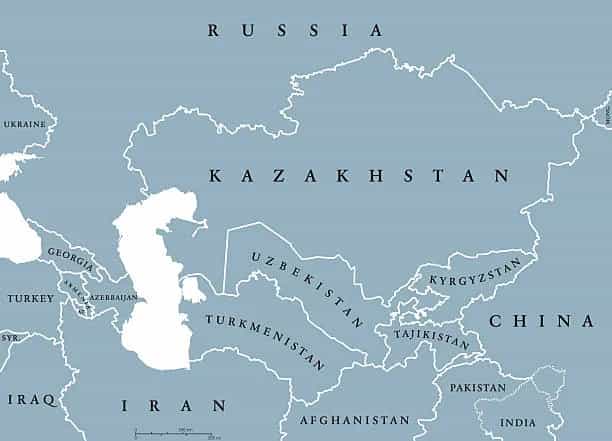
The Cotton Research Institute, located in the city of Yolotan in the Mary velayat of Turkmenistan, is a key partner in the regional program of the German Society for International Development GIZ "Climate Risk Management in Central Asia."
The institution is the oldest cotton-growing research center in the country, having accumulated extensive experience in the breeding and reproduction of cotton in the Murghab oasis.
As reported by Turkmenistan: Golden Age, the pilot region where scientific and practical activities are concentrated is the Murgab river basin.
Innovative areas of activity include the development of a framework for a national methodology for assessing soil degradation, applicable to a given territory, taking into account natural, socio-economic, and environmental factors, as well as established agricultural traditions.

Within the framework of the program, the GIZ team regularly holds meetings, discussions, and exchanges insights into the experiences and practices of neighboring countries in the Central Asian region. This closeness stems not only from long-standing partnerships and the geographic connection of a once-united cascade of hydraulic structures, but also from similar crop production and agricultural practices.
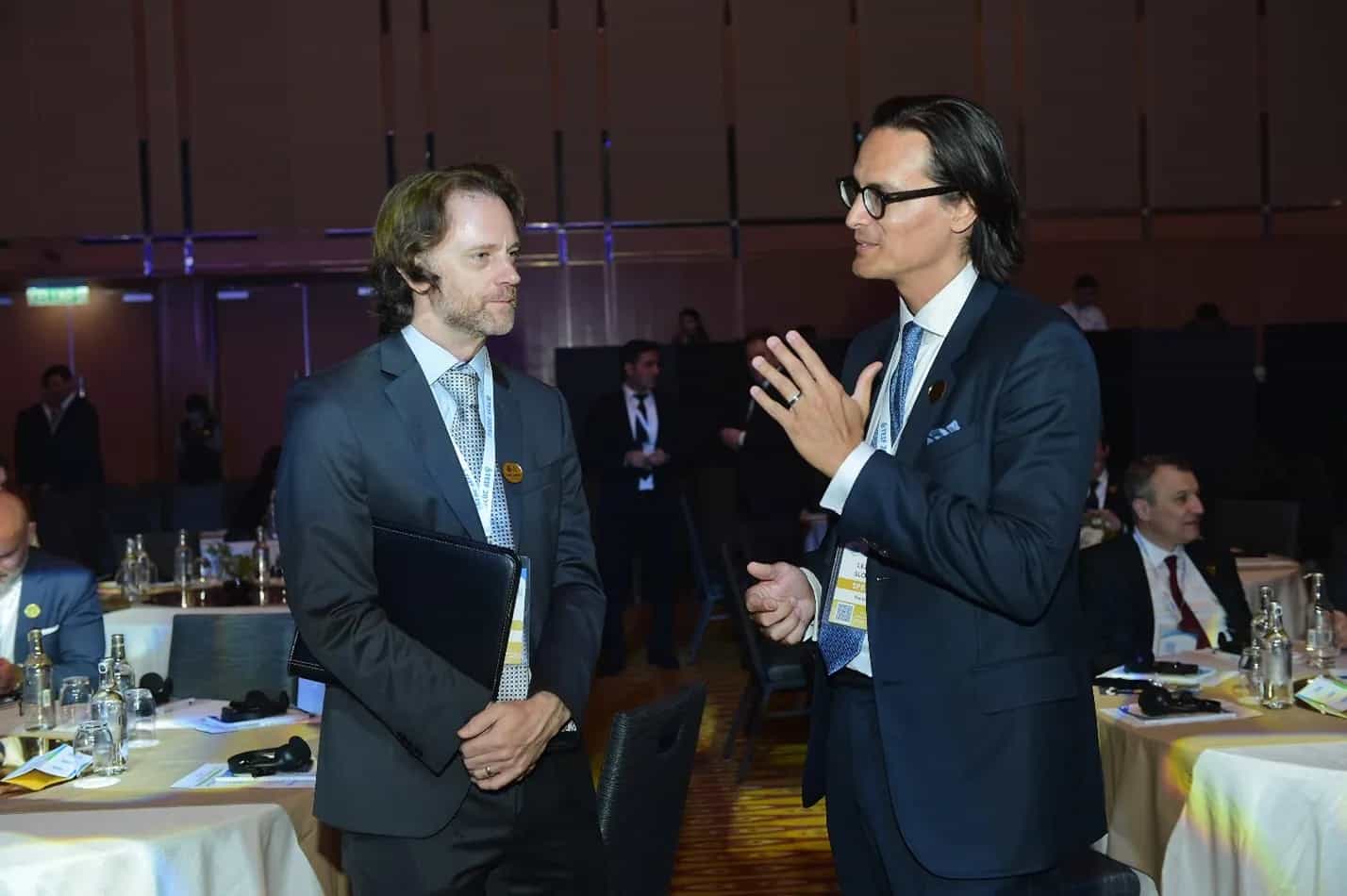
Now, from October 14 to 17, a series of seminars on methods for improving irrigated land monitoring was organized in Yolotan for staff of the Cotton Research Institute, specialists from its experimental base, representatives of the Land Resources Service, as well as farmers and entrepreneurs in the field of agricultural production.
In addition, a soil assessment is planned in collaboration with research institute staff, and a second series of on-site seminars is planned for October 27–30, dedicated to measures for the reclamation of irrigated lands.