Login


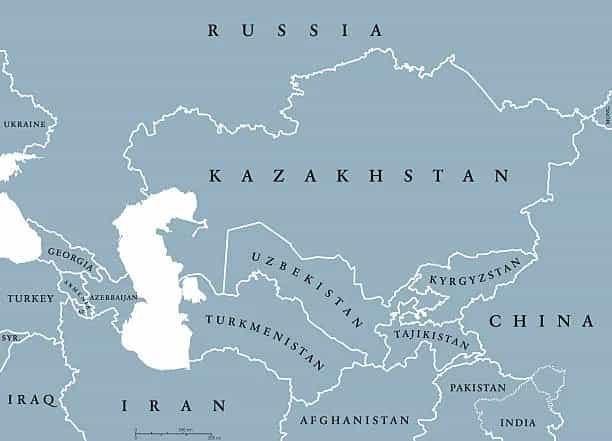
From October 18 to 24, 2026, representatives from transport and logistics companies and industry associations from eight countries in the region—Kazakhstan, Kyrgyzstan, Tajikistan, Turkmenistan, Uzbekistan, Azerbaijan, Georgia, and Armenia—paid a fact-finding visit to Germany. The purpose of the visit was to explore business opportunities and strengthen cooperation along the Trans-Caspian International Transport Route (TITR), also known as the Middle Corridor.
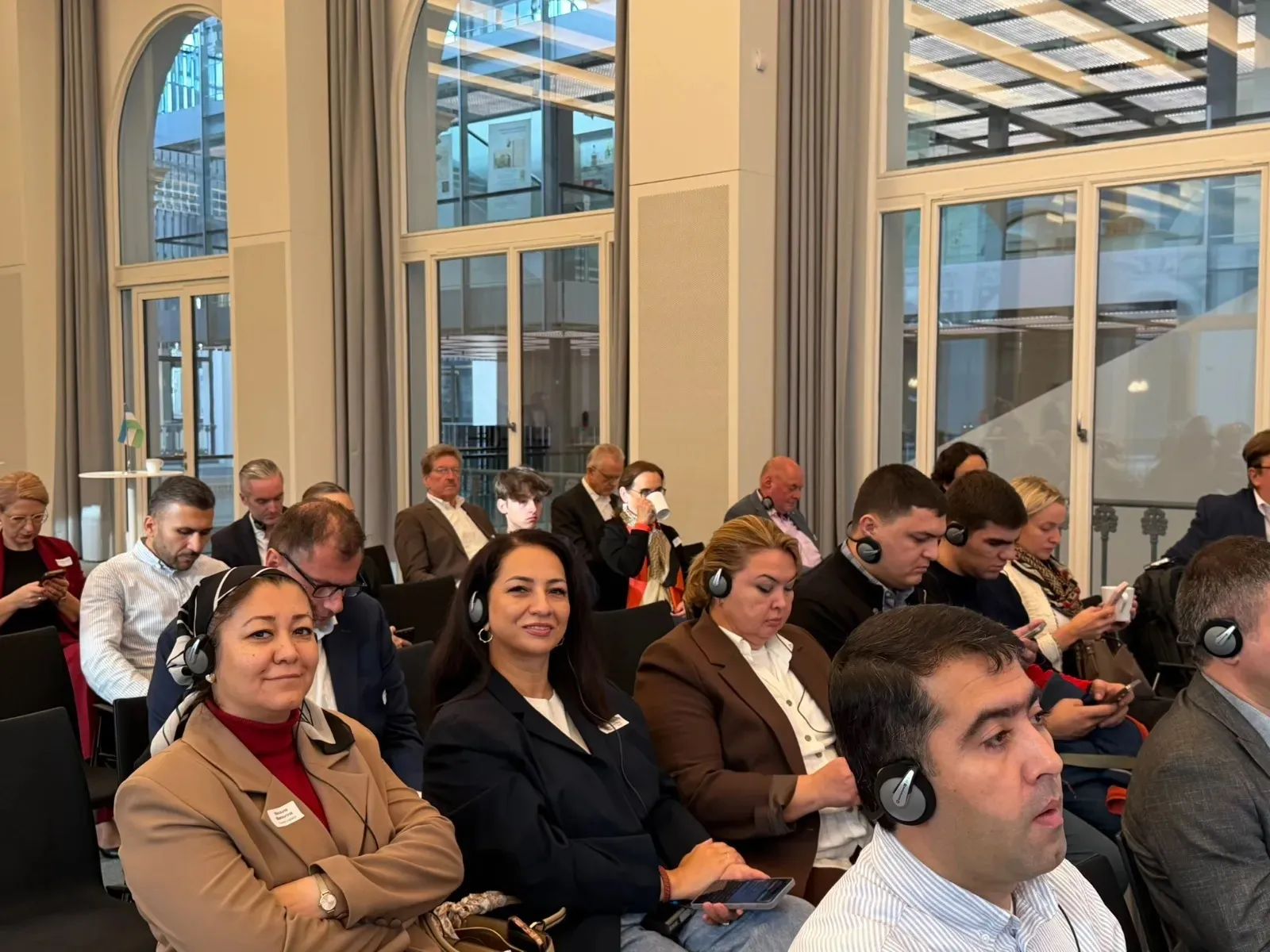
The visit was organized by the German organization GIZ on behalf of the German government and the European Union. In Hamburg, Leipzig, and Berlin, the participants met with representatives of German companies, industry associations, and logistics experts.
The program focused primarily on the challenges facing the corridor, such as high transport costs, unpredictable transit times, and complex cross-border procedures. Participants visited the HHLA Altenwerder container terminal in Hamburg and the terminal operated by Deutsche Umschlaggesellschaft Schiene–Straße (DUSS) in Leipzig. There, they gained insight into the functioning of multimodal transport, the coordination of logistics operations, and information exchange.
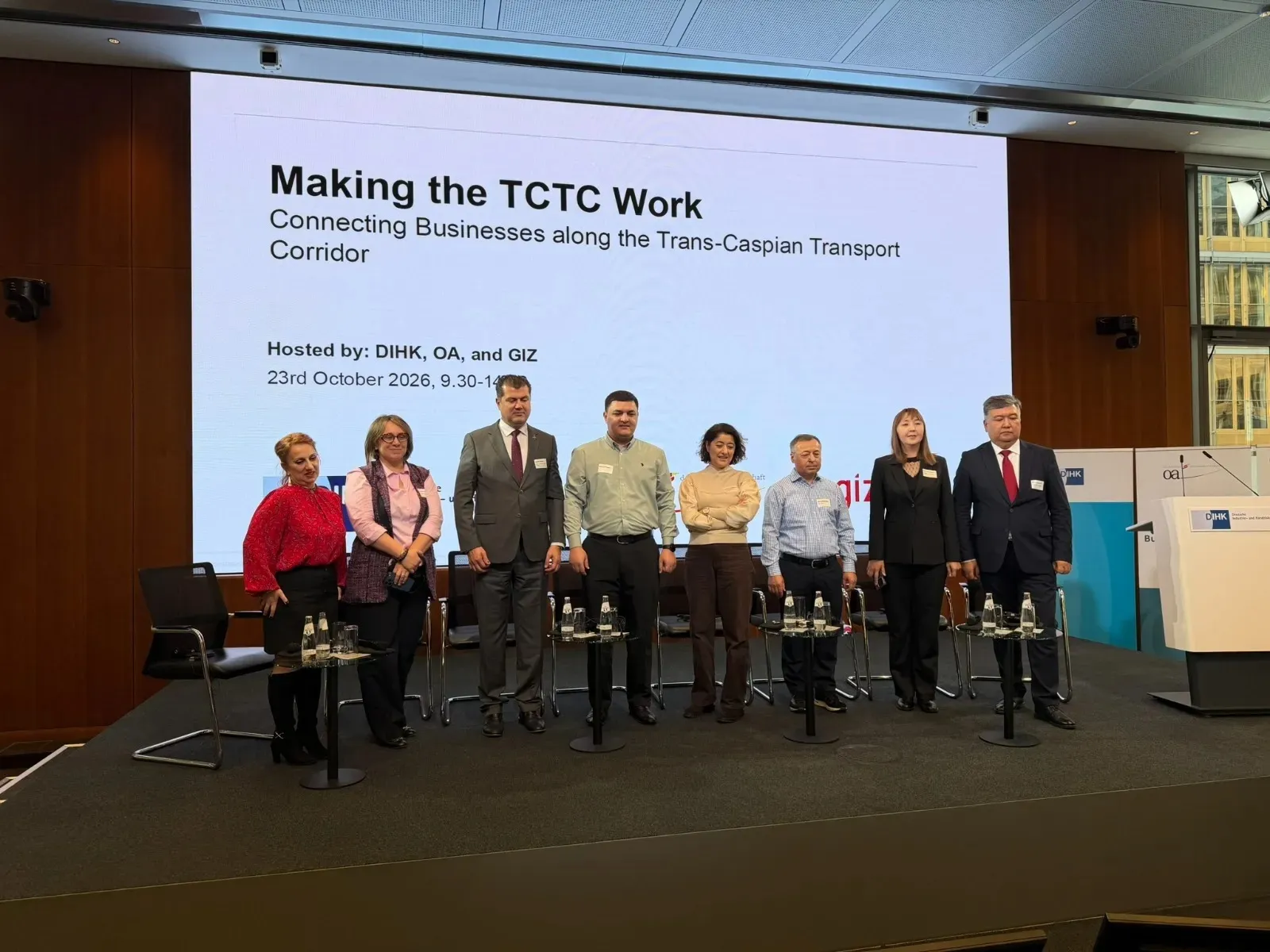
Within the framework of business events, participants presented infrastructure projects and transport services, and also established contacts with possible partners. The prospects for cooperation in the field of digital registration of cargo documents, cargo handling, warehousing and cargo tracking were discussed.
In Berlin, the delegation took part in the BVL Supply Chain CX. There, GIZ and the German Logistics Association (BVL) hosted events focused on the corridor’s role in global supply chains and opportunities for international partnership.
The program concluded with a business event titled "Making the TCTC Work – Connecting Businesses along the Trans-Caspian Transport Corridor," organized by the Association of German Chambers of Industry and Commerce (DIHK), the Committee on Eastern European Economic Relations, and GIZ. Participants also discussed the digitalization of trade documents, the simplification of customs and border procedures, and various financing and investment support instruments for logistics and infrastructure.
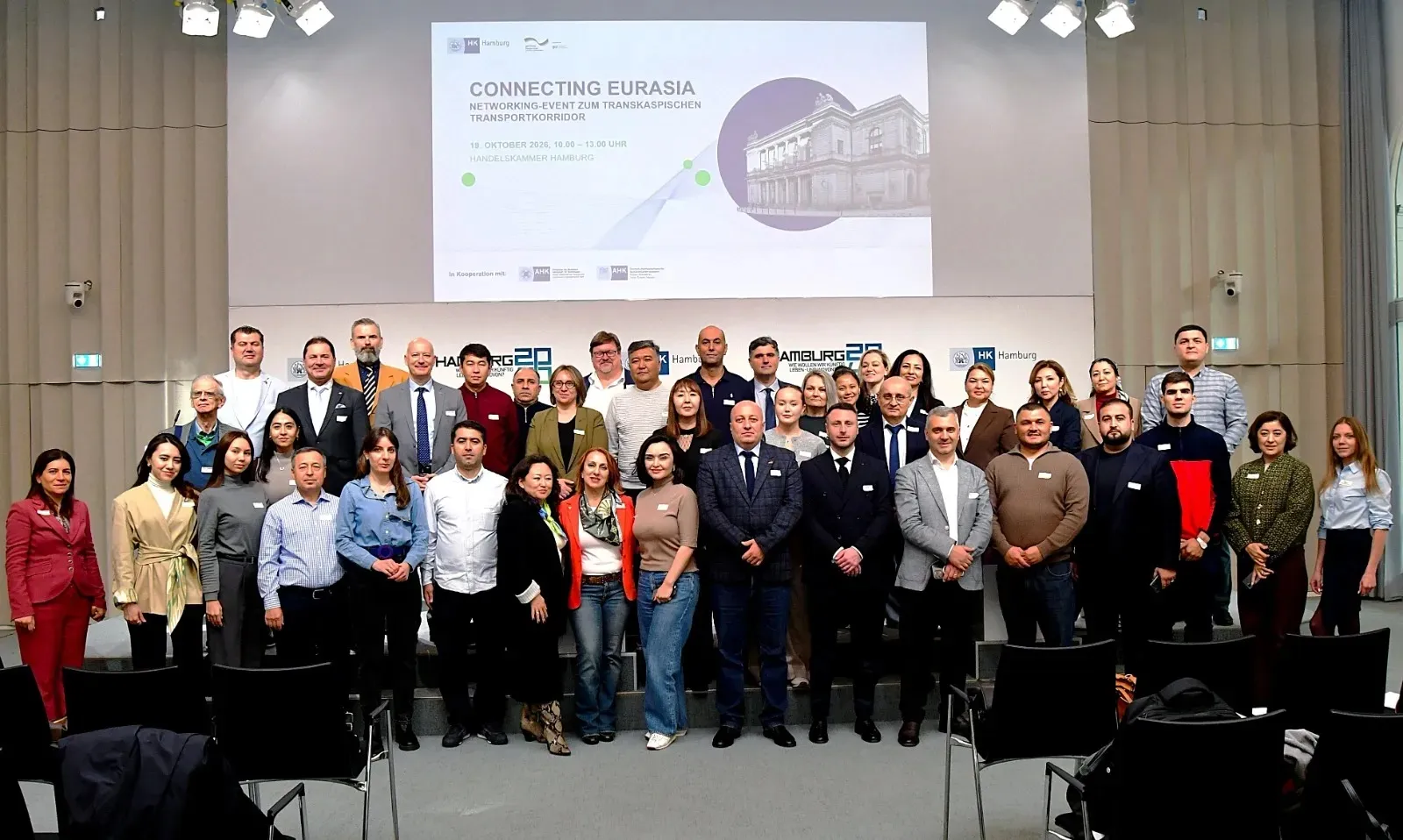
Following the visit, the organizers noted a growing interest in closer economic cooperation between Germany, the countries of Central Asia, and the South Caucasus. In the long term, the competitiveness of the corridor depends not only on modern infrastructure but also on the coordination of transport operators, efficient administrative procedures, and predictable tariffs and delivery timelines.
As emphasized, the trip laid the groundwork for potential partnerships and joint initiatives that could make the Trans-Caspian route a more reliable and competitive link between Asia and Europe.