Login


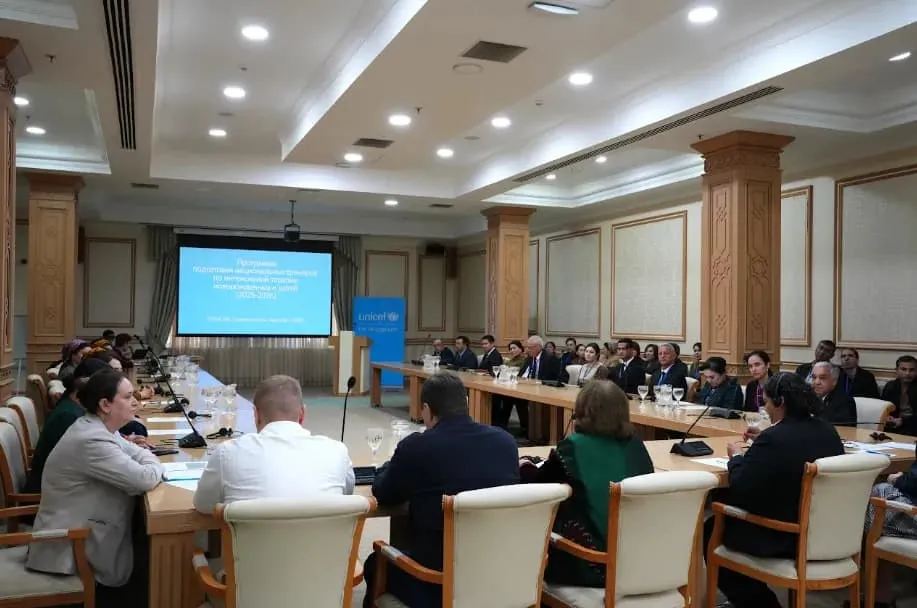
On October 30, medical professionals who completed a training program on intensive care for newborns and children under the age of five were presented with certificates during a formal ceremony at the United Nations building in Ashgabat.
This program is being implemented in the country under the leadership of the Ministry of Health and Medical Industry of Turkmenistan, with technical support from UNICEF. Over the course of a year, more than 300 participants completed the training, according to a UNICEF press release.
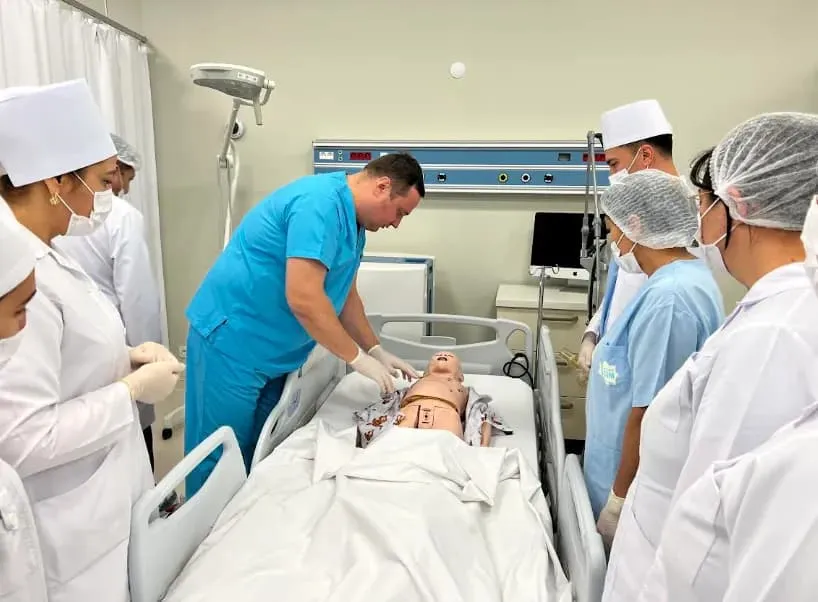
Participants include neonatologists, anesthesiologists-resuscitators from neonatal and pediatric intensive care units, obstetrician-gynecologists, as well as clinical residents, senior medical students, and faculty members.
The four training cycles extended well beyond the confines of lecture halls. Across seven modules covering more than 22 topics—ranging from respiratory and cardiovascular conditions to neurological and infectious diseases, as well as pediatric anesthesiology—participants analyzed clinical cases, completed practical exercises, and took part in simulation-based demonstrations, all supported by clinical mentorship.
At the National Simulation Center, the National Center for Maternal and Child Health, regional hospitals, and other medical facilities in Ashgabat and Mary, participants practiced making critical decisions—the kind they encounter in actual emergency situations. Progress was tracked by assessing their knowledge both before and after the training.
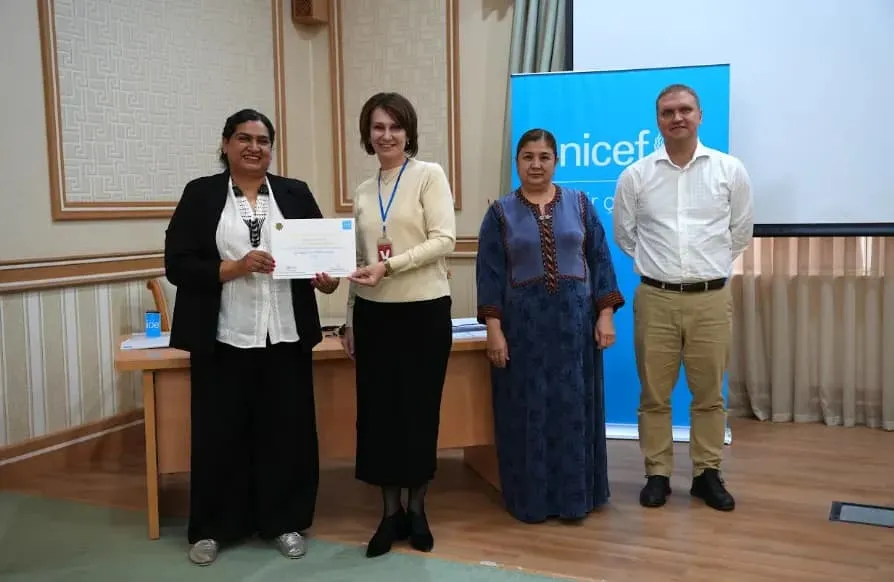
International experts from Belarus, including Mikhail Strizhak and Dmitry Sankovets, worked closely with national specialists, sharing their expertise and practical skills. The program trained national and regional instructors who will, in turn, pass on the skills they have acquired to their own hospitals and colleagues.
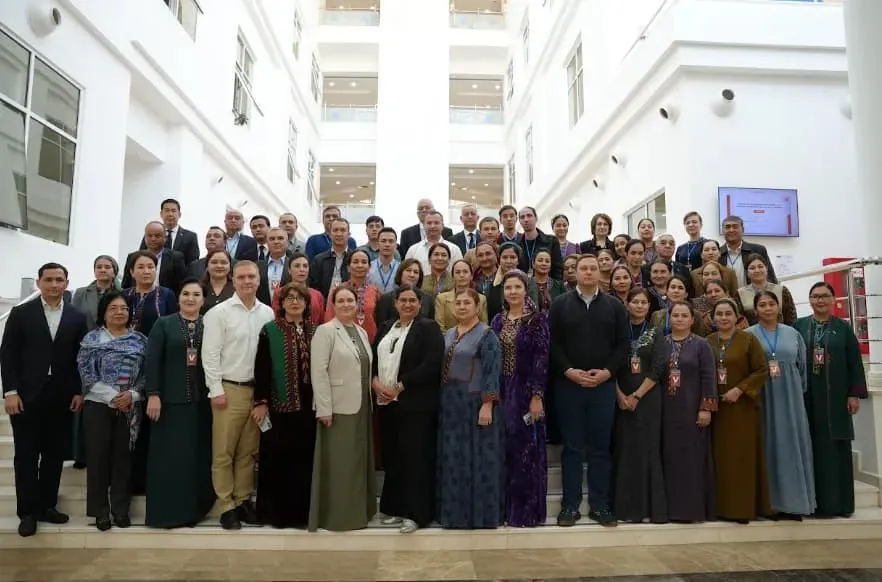
As a result, 12 clinical algorithms and standard operating procedures (SOPs) for providing emergency care and intensive care to critically ill children have been developed and approved. These provide medical teams with clear, unified guidelines for situations where every second counts. Approximately 12 medical institutions at the national and regional levels have implemented these updated approaches to intensive care, translating new knowledge into higher-quality care for children.