Login
Login


Over the past 45 years, the air temperature in Turkmenistan has increased by 1,6 degrees, in Kyrgyzstan - by 1 degree, in Kazakhstan and Uzbekistan - by 1,4 degrees, and in Tajikistan - by 0,7 degrees.
These data are presented in "Analytical overview of floods and floods in Central Asia, having a transboundary character".
Central Asia faces serious challenges in combating the adverse effects of climate change. In particular, the impact of climate change on water-related disasters in the region was recognized as one of the key threats.
The current rate of reduction in the volume of glaciers in the region is 0,2-1% per year. Due to the retreat of glaciers and the subsequent formation of glacial lakes, there is an increased risk of floods from breaching glacial lakes, which exacerbate water-related threats to mountain communities, their settlements and livelihoods, as well as threaten infrastructure located in river valleys and low-lying areas.
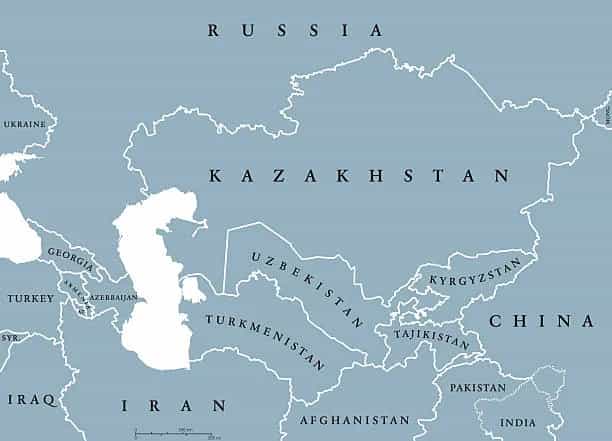
The survey covers 13 of the largest transboundary river basins in the region, grouped by pairs of countries with common risks: Chu and Talas (Kazakhstan-Kyrgyzstan), Shakhimardan, Karadarya, Naryn and Isfayramsai (Kyrgyzstan-Uzbekistan), Isfara (Kyrgyzstan-Tajikistan), Ugam (Kazakhstan-Uzbekistan), Zeravshan (Tajikistan-Uzbekistan), Amudarya (Turkmenistan-Uzbekistan), and the Syr Darya basin, which unites four countries. For each basin, the characteristics of the river, the chronology of flood and flood events, the risk zone, damage data and the effective mechanism of interaction between the countries are given.