Login
Login


UNICEF, in partnership with the Government of Turkmenistan, officially launched the UNICEF Country Programme for Turkmenistan (2026–2030), reaffirming a shared commitment to ensuring that every child grows up healthy, learns, and is protected.
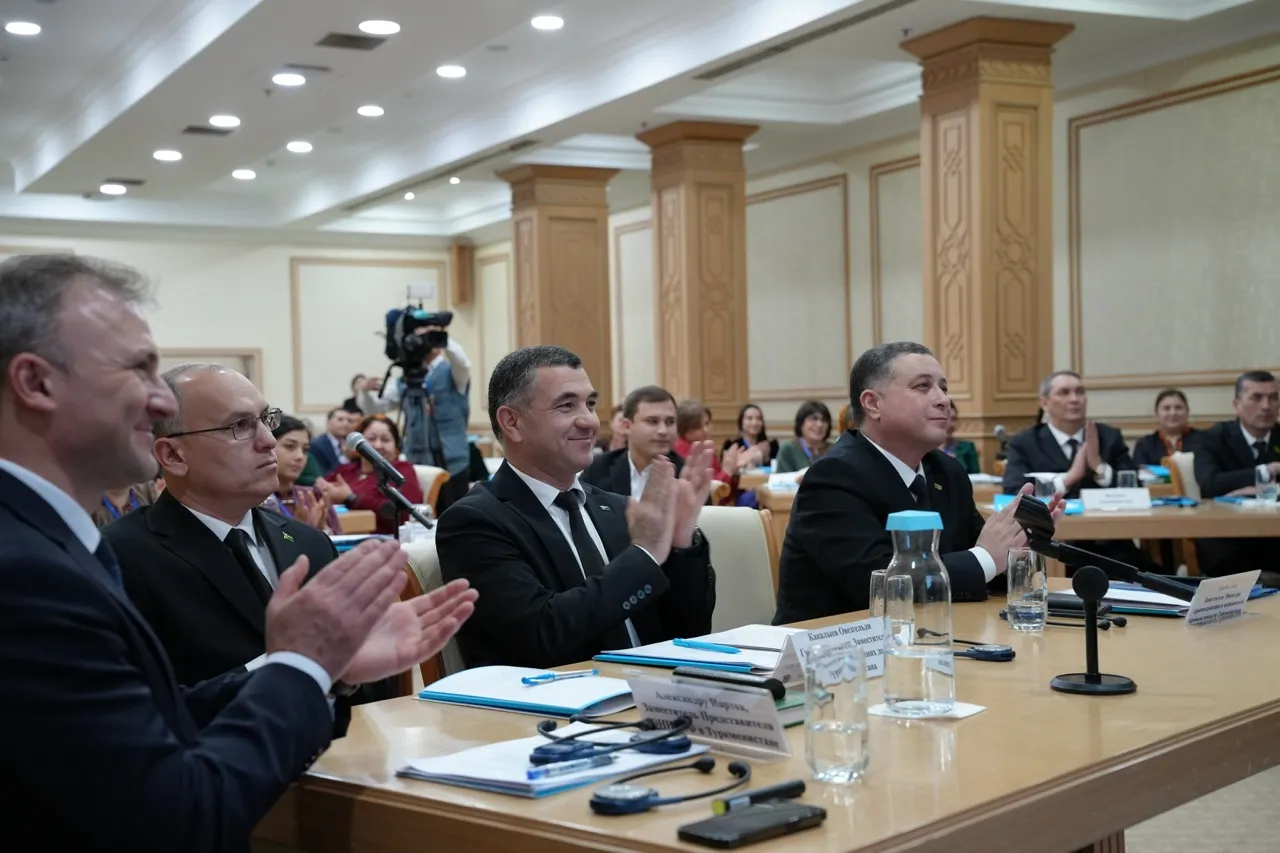
The event brought together senior government representatives, civil society partners, development stakeholders, and children to discuss priorities and collective actions for the next five years. The new Country Programme reflects the Government’s continued leadership and commitment to children and is firmly anchored in national development priorities, the National Action Plan for the Realization of Children’s Rights in Turkmenistan (2023–2028), and the Sustainable Development Goals.
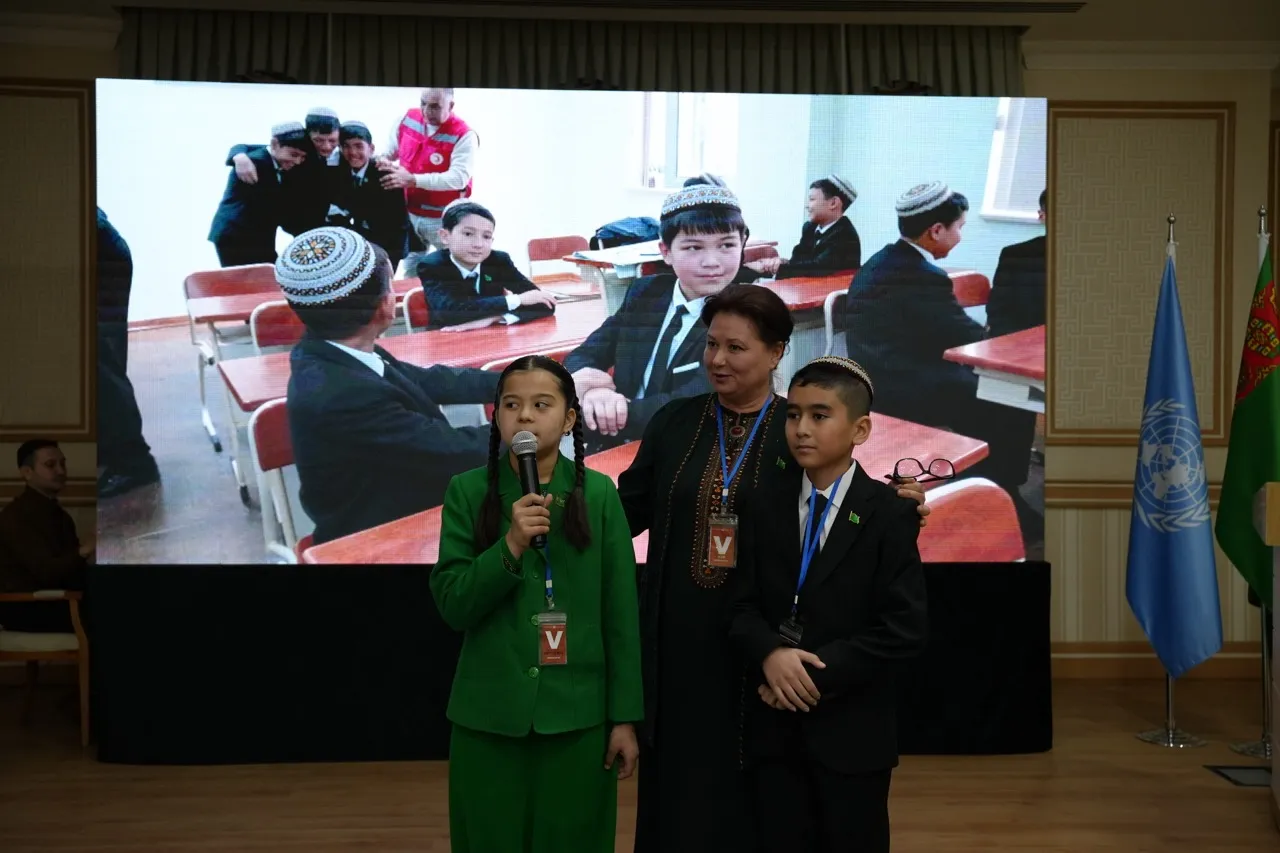
The 2026–2030 Country Programme focuses on accelerating national progress across key priority areas critical to children’s well-being. These include child survival, health, and nutrition, with particular attention to maternal, newborn, and child health; inclusive and quality education to improve learning outcomes for all children; child protection, including the prevention of violence and strengthening the alternative care system, and the promotion of meaningful child participation; social policy, and evidence to address inequities and support informed decision-making; and climate resilience and risk-informed programming to safeguard children from current and future shocks.
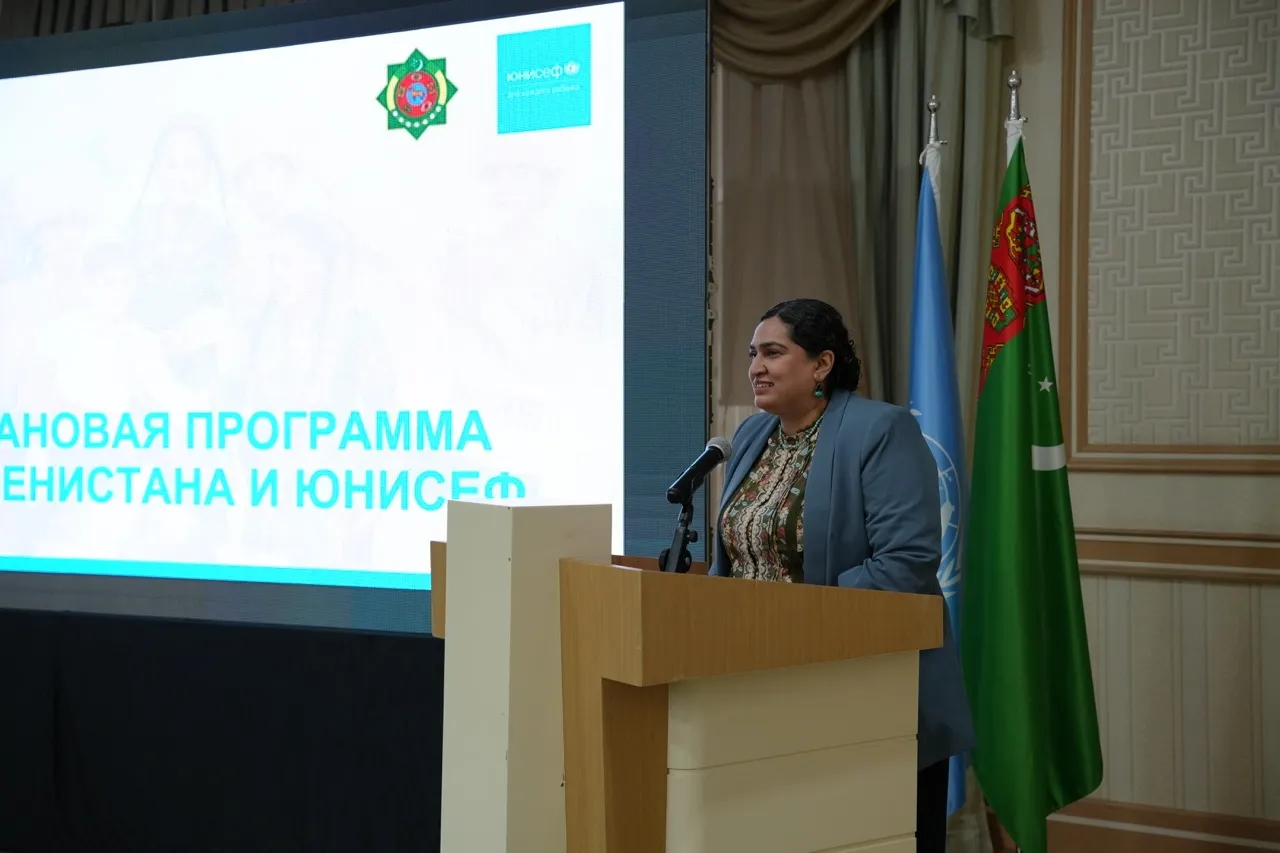
Speaking at the event, Jalpa Ratna, UNICEF Representative in Turkmenistan, said: “This new Country Programme is grounded in the Government’s vision and leadership for children. UNICEF is proud to support Turkmenistan in strengthening inclusive, resilient systems. Through our engagement with partners, civil society, children, parents and adolescents the Country Programme aims to deliver sustainable results and help every child reach their full potential.
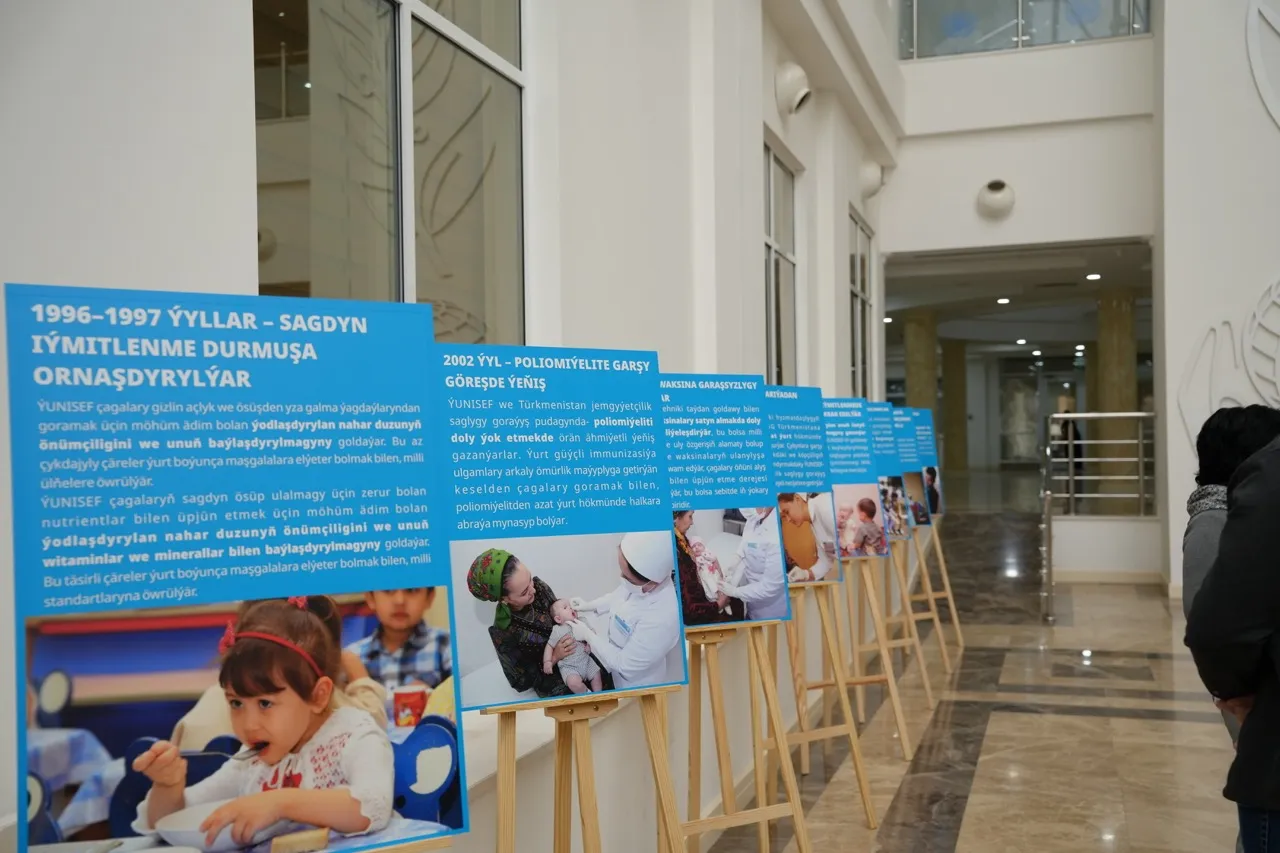
The event also highlighted key achievements of the 2021–2025 Country Programme in advancing children’s rights and strengthening national systems. Key outcomes included improvements in maternal and child health by capacity development of 5,000 healthcare professionals and immunization coverage that is consistently above 95% and includes 14 lifesaving vaccines; enhanced nutrition through wheat flour fortification with iron and folic acid through procurement of 120 tons of vitamin and mineral premix annually and breastfeeding support. Expanded early childhood development and parenting programmes with more than 80,000 children benefited from ECD services through demonstration healthcare facilities. Progress in inclusive and quality education with 70 professionals trained to enhance multidisciplinary support for children with disabilities; and strengthened child protection and social services with the fact that over 7,000 families received complex social support services (of which over 30% children, over 60% women, 25% people and children with disabilities). In child protection, UNICEF and partners supported system strengthening and service delivery, including progress on alternative care and the use of evidence and training to advance child-friendly approaches for children in contact with the justice system. Investments in climate resilience with piloting “Green School” Programme in 20 schools, disaster preparedness, data generation by completing MICS7, and governance further supported evidence-based planning, accountability, and progress toward national child rights priorities and the Sustainable Development Goals.
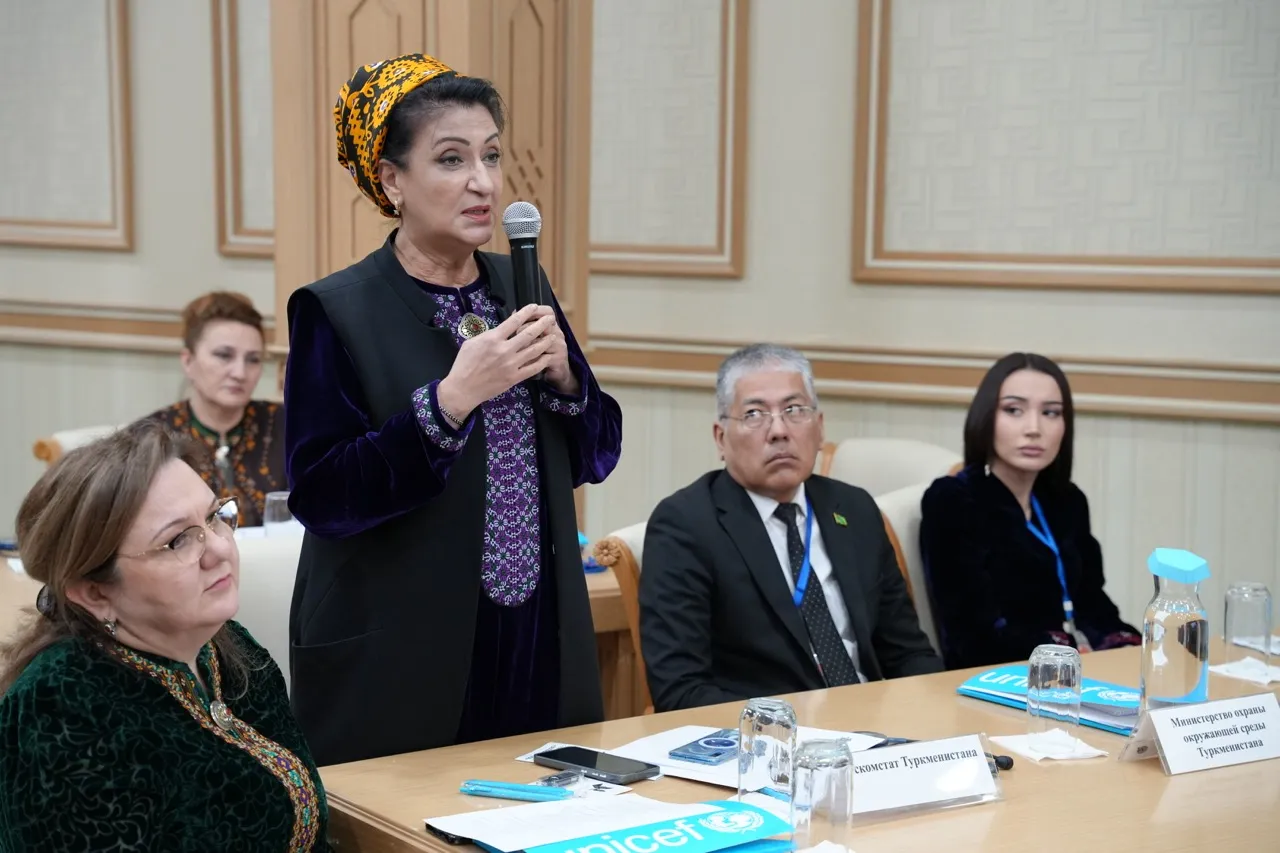
Building on these foundations, the 2026–2030 Country Programme will be implemented under the leadership of the Government of Turkmenistan, with a focus on scaling effective solutions, reducing disparities, and strengthening national systems to respond to emerging challenges. UNICEF will continue to support these efforts in close collaboration with national partners, communities, and children.