Login
Login


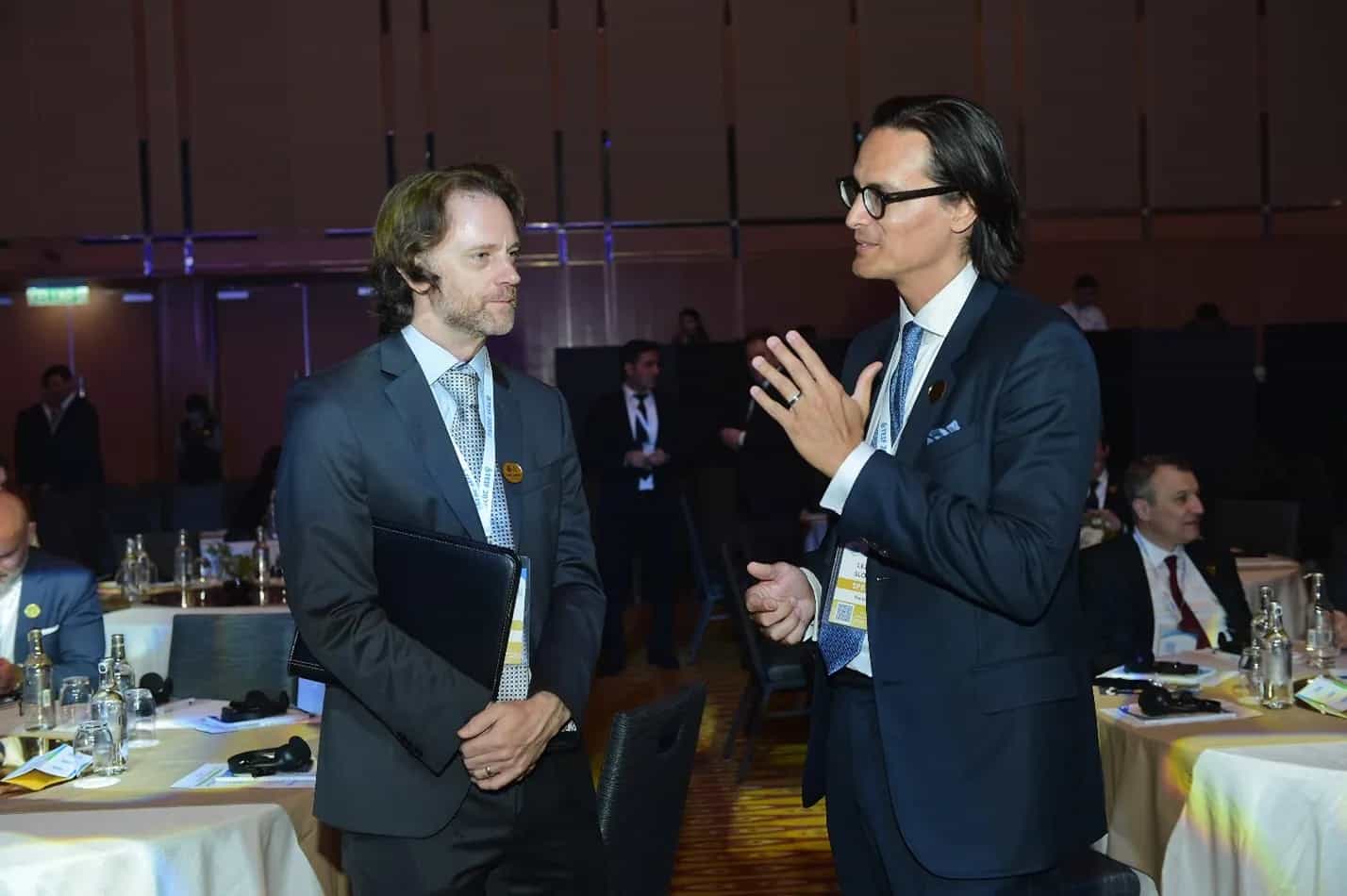
On August 1, OSCE participating States celebrate a significant date – half a century since the signing of the Helsinki Final Act of 1975, which laid the foundations for the world’s largest regional security organization. This was stated by Ambassador John MacGregor, Head of the OSCE Centre in Ashgabat, in an article published in the "Neutral Turkmenistan" newspaper.
According to the diplomat, the signing of the document marked a historic breakthrough in relations between East and West – the Warsaw Pact and NATO countries managed to reach consensus on key security issues. The Helsinki Final Act formulated the so-called "Decalogue" – ten principles, including the sovereign equality of states, the renunciation of the use of force, the inviolability of borders, territorial integrity and the peaceful resolution of disputes.
MacGregor stressed that the document laid down an unprecedented mechanism for strengthening trust between states with different political systems, based on the principle: dialogue leads to understanding, understanding leads to trust, trust leads to reducing conflicts and promoting peace.
The Ambassador noted the symbolism of the fact that the OSCE is celebrating the anniversary in the year of the 30th anniversary of Turkmenistan’s permanent neutrality status and in the International Year of Peace and Trust, declared at the initiative of neutral Turkmenistan by a resolution of the UN General Assembly.
During his four years in Ashgabat, MacGregor saw how Turkmenistan’s foreign policy, based on OSCE principles, made a significant contribution to the development of dialogue and strengthening of peace in the region. Concluding his mission in Turkmenistan, the Ambassador expressed gratitude to the President of the country and all partners for their constructive cooperation.
Today, the OSCE unites 57 participating States and represents the interests of more than a billion people, working in three dimensions of security: military-political, economic-environmental and humanitarian.