Login


A rise in air temperature of 3–5 degrees Celsius by the end of the 21st century will accelerate the shrinking of glaciers and alter the availability of water resources. This will create additional risks for agriculture, the energy sector, and the populations living in river basins across Central and Western Asia, according to a study by the Asian Development Bank (ADB).
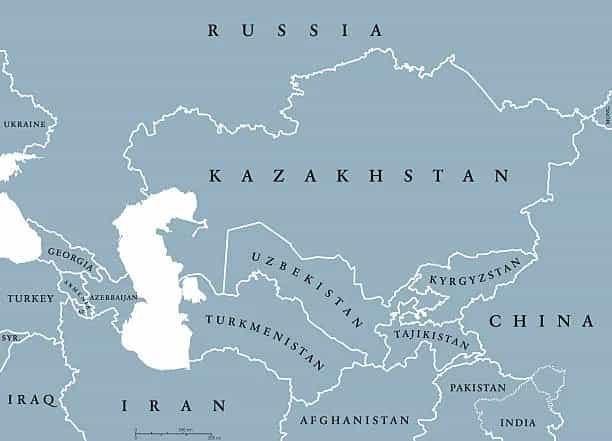
The "From Glaciers to Farms" assessment covers four glacier-fed river basins: the Kuru, Naryn, Panj, and Swat. These have been selected as pilot areas for the program, representing nine developing member countries of the ADB.
The study analyzed 40 years of meteorological data to assess changes in temperature, precipitation, and the state of the cryosphere. Additionally, climate projections were developed for the years 2035, 2055, 2085, and 2100.
According to ADB estimates, air temperature in the region rose by an average of approximately 0.4 degrees Celsius per decade between 1981 and 2020. This trend is statistically significant, with the most intense warming observed in the western areas and the Caucasus.
By the end of the century, temperatures in the four basins could rise by approximately 3–5 degrees. This will accelerate the decline of glaciers, snow cover, and permafrost, and will also shift the timing of snowmelt and peak river runoff. Rising summer temperatures will increase drought risks and water demand. Although winter precipitation may increase in some areas, overall water availability will decline over the long term as glacial runoff decreases.
The study pays particular attention to the Panj River basin in the Pamir region, which encompasses territories in Tajikistan, Afghanistan, and Turkmenistan. Glaciers in this area cover approximately 4,000 square kilometers. The basin is also characterized by the widespread presence of permafrost and rock glaciers.
According to ADB projections, by 2085, winter temperatures in the Panj River basin could rise by approximately 5 degrees, while spring and summer temperatures could increase by 4–5 degrees. Winter precipitation could rise by up to 50%, whereas summer precipitation could decrease by about 30%.
The anticipated changes will accelerate glacier melting and increase the risk of drought, as well as the likelihood of glacial lake outbursts, mudflows, and other hazardous slope processes. In the long term, a reduction in glacial runoff could lead to a decrease in the water available for irrigation and affect the stability of hydroelectric power generation.
To enhance resilience to climate change, the ADB recommends expanding the construction and reconstruction of reservoirs, modernizing irrigation networks, implementing drip and sprinkler irrigation, and utilizing drought-resistant crop varieties.
Furthermore, it is proposed to expand the network of high-altitude hydrometeorological stations, improve the monitoring of glaciers and snow cover, develop early warning systems for floods, avalanches, and mudflows, and strengthen the exchange of hydrological and climatic data among the countries of the region.
The bank emphasizes the need to combine engineering-based and nature-based adaptation measures, including the restoration of forests and wetlands, improved rangeland management, and the reduction of soil erosion.
The study was conducted with the support of the Green Climate Fund through the Project Preparation Facility for the ADB.