Login


From October 12 to 16, 2026, representatives from relevant ministries and agencies of Turkmenistan undertook a study visit to the United Kingdom. The purpose of the visit was to examine international experience and best practices regarding the reduction of methane emissions.
The trip was organized with the support of the European Union project "Policy Dialogue and Climate Action 2024–2029," which is co-funded by the EU and the German Federal Foreign Office and implemented by GIZ.
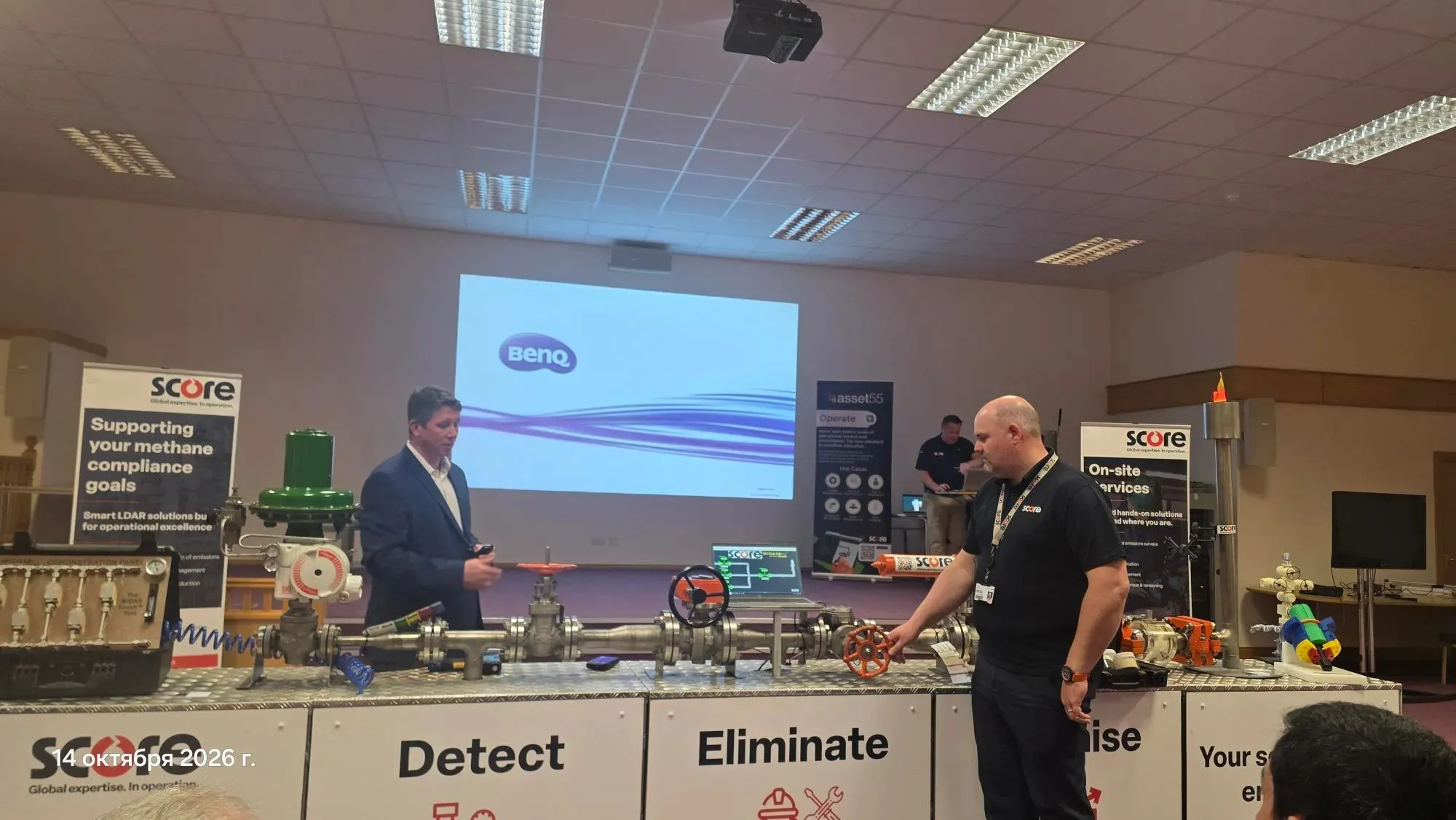
During the visit, Turkmen specialists familiarized themselves with British regulatory approaches, as well as technologies for monitoring, verifying, and reducing methane emissions in the oil and gas sector. The program included visits to London, Aberdeen, Peterhead, and the Teesside region.
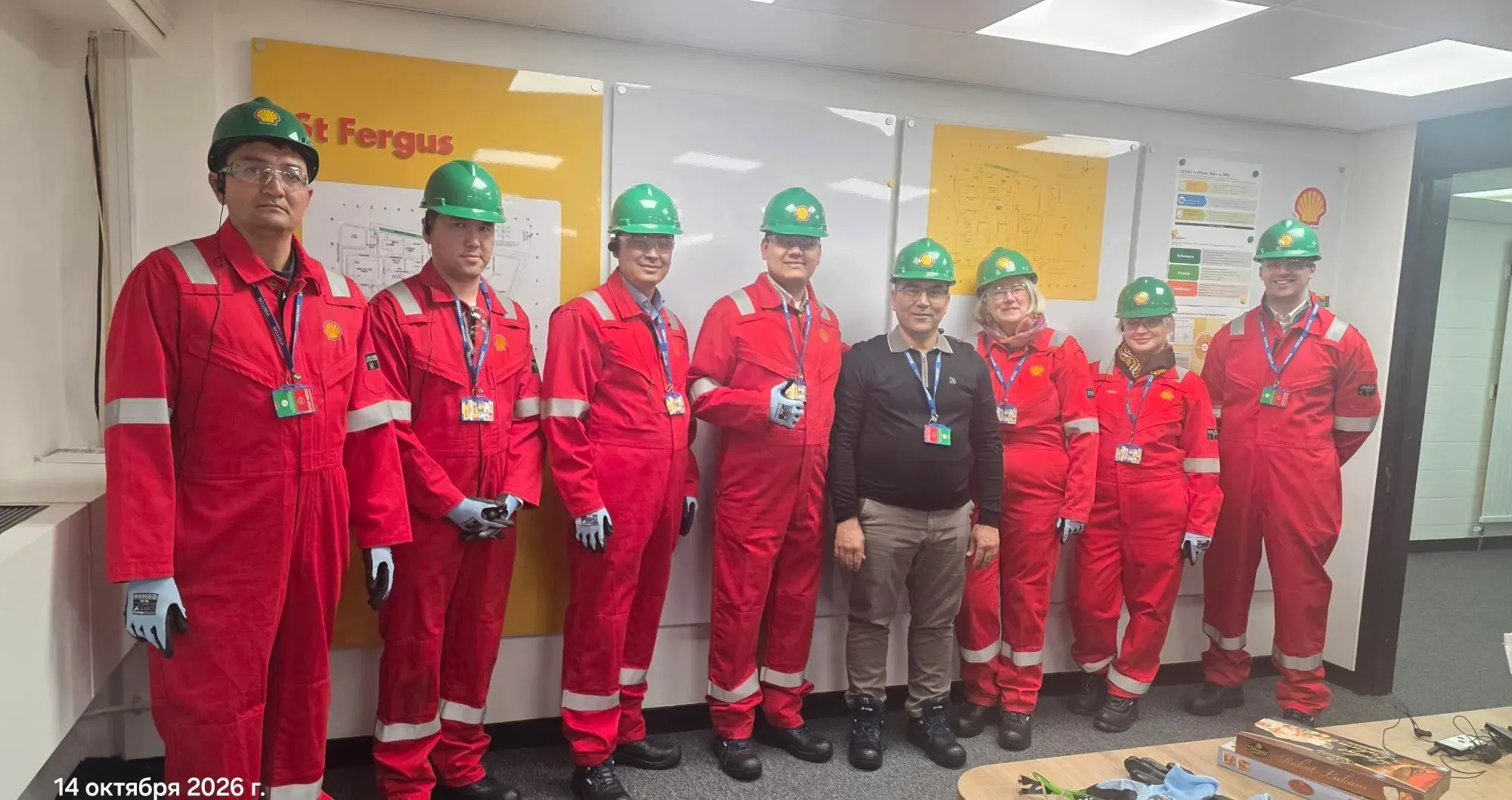
The delegation held briefings with the UK’s Department for Energy Security and Net Zero (DESNZ) and other government bodies responsible for climate policy and measures to reduce methane emissions. Technical visits were also conducted at the Shell gas processing plant in St Fergus and the CATS gas terminal, which is part of the Wood Group.
In addition, meetings were held with Offshore Energies UK (OEUK) and various private companies, which shared their experience in reducing methane emissions. The delegation also visited the headquarters of Score Group Limited, a company specializing in valve manufacturing and the control of fugitive emissions. The program also included a visit to the Greenhouse Gas Research Group at Royal Holloway, University of London; a meeting with the leadership of GHGSat to discuss satellite-based emissions monitoring; and a working session with experts from BP, who shared their experience in managing methane emissions and flaring operations.
Particular attention is given to the British experience in applying the requirements of the EU Methane Regulation, which establishes environmental standards for fossil fuel imports. For Turkmenistan, becoming familiar with these mechanisms is relevant in the context of exploring opportunities for engagement with the European energy market and adapting infrastructure to meet international environmental standards.
The results and technical expertise gained during the visit are intended to be used for the practical implementation of measures to reduce methane emissions, as well as for achieving the goals of the Global Methane Pledge.