Login
Login


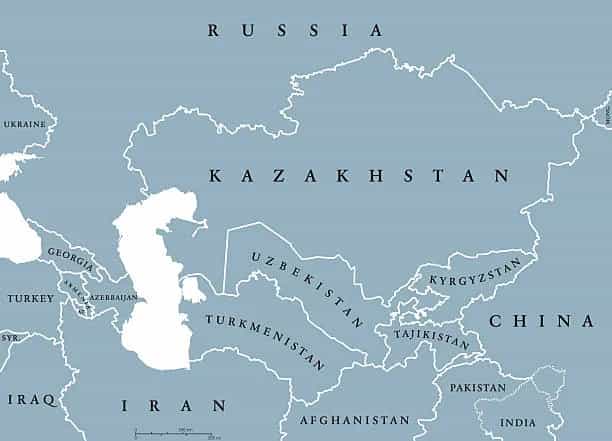
A sub-regional strategic dialogue titled "Immunization in Central Asia: From Outbreak Response to Sustainable Protection" was held in Bishkek, attended by representatives from Kyrgyzstan, Kazakhstan, Uzbekistan, Tajikistan, and Turkmenistan, as well as UNICEF and the WHO Regional Office for Europe.
Participants in the dialogue, including the delegation from Turkmenistan, discussed immunization challenges shared across the region. High population mobility, labor migration, and trade and transport links between countries mean that the risks of infectious disease transmission are not confined by national borders; consequently, achieving sustained vaccination coverage was identified as a task that is not merely national in scope but one shared by the entire subregion.
It was specifically noted that the recent rise in measles incidence in the region underscored the importance of timely identification of gaps in routine immunization and taking action before they lead to new outbreaks. According to the participants, an effective vaccination program requires not only the availability of vaccines but also sustainable funding, trained medical personnel, high-quality information systems, reliable epidemiological surveillance, and public outreach.
UNICEF representatives emphasized that protecting children requires long-term investments in immunization systems—ranging from workforce training and cold chain development to the improvement of data systems and advocacy and outreach efforts. Vaccination has been identified as one of the most cost-effective public health measures, while strengthening immunization systems and public trust is considered a key prerequisite for reaching every child with vaccination.
During the dialogue, the main focus was placed on the sustainable financing of immunization programs, the use of evidence-based data in decision-making, digitalization and data quality improvement, as well as intersectoral and cross-country cooperation. The countries exchanged experiences regarding vaccination financing—including the introduction of new vaccines—and discussed how to position immunization as a long-term investment in public health when formulating national budgets.
The participants emphasized that achieving high vaccination coverage is beyond the capacity of the healthcare system alone; it requires the involvement of the education and social protection sectors, local government bodies, migration-related agencies, as well as civil society and community leaders.
A distinct area of discussion was the shift from responding to outbreaks that have already occurred to preventing them, including analyzing the reasons for insufficient vaccination and using data to make targeted decisions. The meeting is expected to result in concrete agreements on sustainable immunization financing, the strengthening of intersectoral cooperation, and enhanced accountability for achieving results—with the overarching goal of ensuring timely access to vaccination for every child in Central Asia.