Login
Login





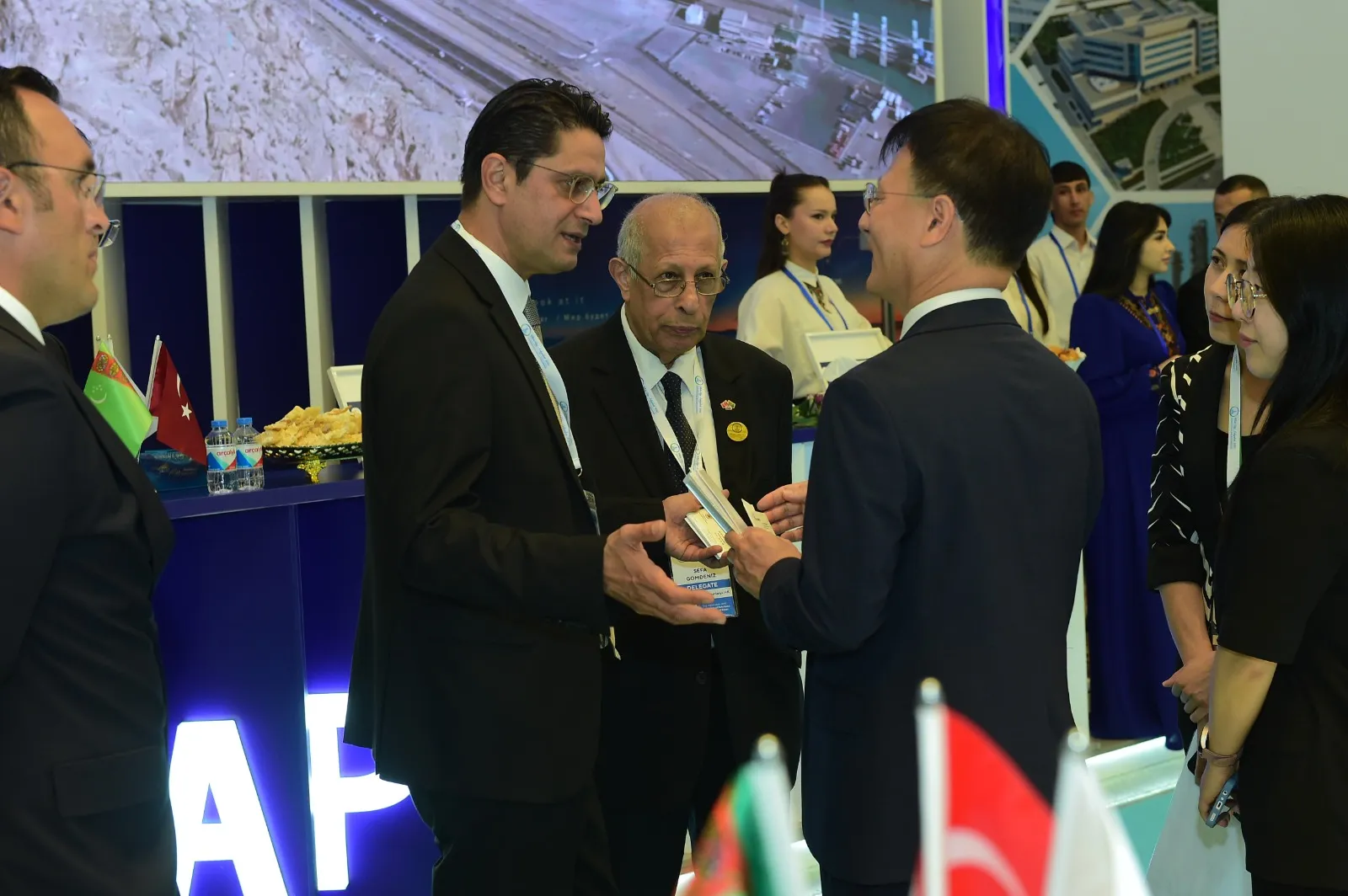
The Ministry of Railway Transport of Turkmenistan held talks with representatives of the Chinese technology company Huawei, during which the parties discussed the comprehensive modernization of the Turkmenbashy-Ashgabat-Turkmenabat line. In addition to the phased electrification of the route, the Chinese side proposed integrating artificial intelligence technologies into the infrastructure and upgrading the railway communications to the modern FRMCS standard.
Huawei unveiled its own AI platform for the transportation industry, focusing on three key areas: improving traffic safety, automating processes, and predictive equipment diagnostics—that is, the system's ability to predict technical failures in advance.
The parties also discussed the transition of railway communication standards. The current GSM-R, which currently serves the Ashgabat-Turkmenbashy section, will be replaced by FRMCS, a more modern protocol designed for high-speed and automated transportation. Huawei assured that the transition will be gradual and will allow for the use of existing fiber optic lines, rather than building infrastructure from scratch.
Cybersecurity was also addressed during the negotiations: the company emphasized that its solutions can be fully deployed within the customer's infrastructure without transmitting data to third parties. The use of the 1900 MHz frequency band, taking into account current national legislation, was also discussed.
The meeting took place against the backdrop of strengthening Turkmen-Chinese cooperation. The parties confirmed their mutual interest in implementing joint infrastructure projects.