Login
Login





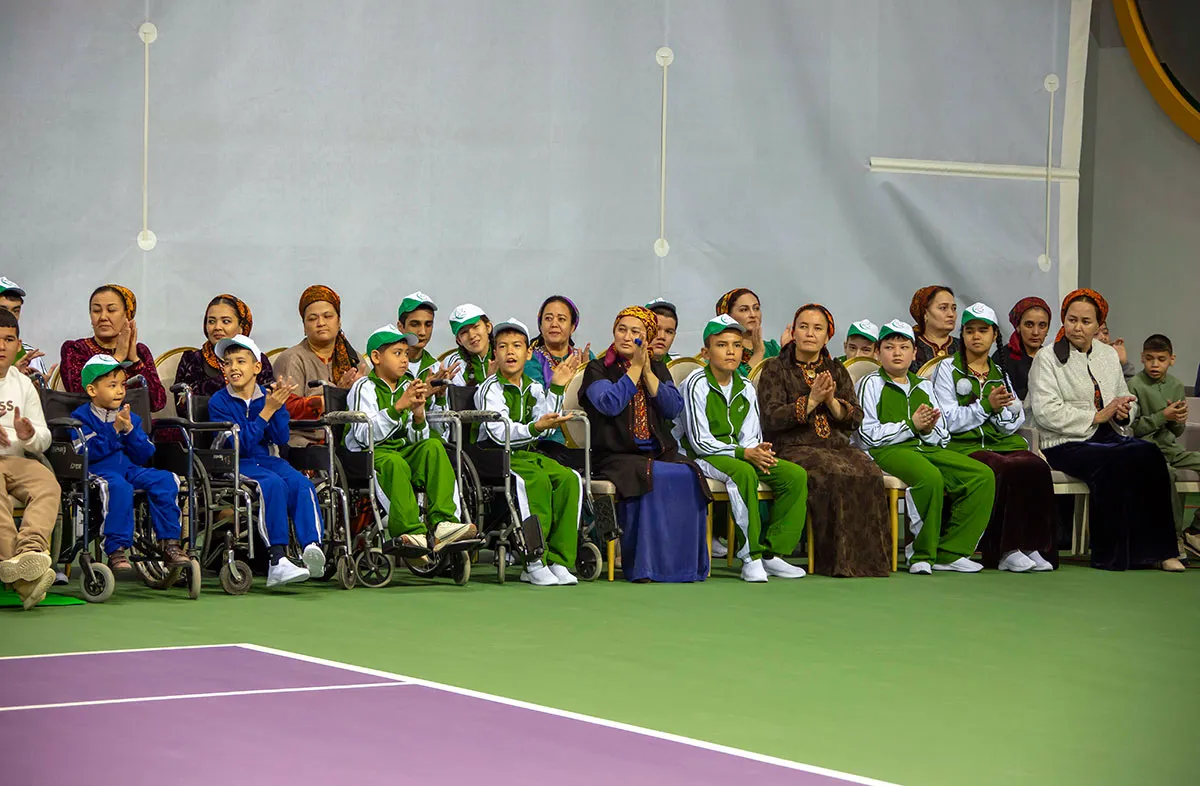
The UN is working with the government of Turkmenistan to develop the first national strategy on the rights of persons with disabilities. This was announced by Dmitry Shlapachenko, UN Coordinator in Turkmenistan, speaking at the international forum "Neutrality and Humanism: Comprehensive Support for an Inclusive Future," dedicated to World Children's Day.
"This strategy, grounded in human rights and lived experience, will ensure that inclusion becomes a sustainable and transformative part of Turkmenistan's development," Shlapachenko said.
According to the UN coordinator, World Children's Day reminds us of our shared responsibility to ensure that every child enjoys equal rights, protection, and opportunities for development. "This is our commitment under the UN Convention on the Rights of the Child, which Turkmenistan acceded to in 1993," he emphasized.
Shlapachenko noted that inclusion is impossible without intersectoral cooperation. "Education, healthcare, social protection, sports, and society must work together as a single whole," he said.
The UN coordinator reported that a month ago, the Sustainable Development Cooperation Framework was signed between the Government of Turkmenistan and the UN system in Turkmenistan until 2030, which also focuses on expanding opportunities for children and people with disabilities.
"The UN continues to support Turkmenistan in implementing the 2030 Agenda for Sustainable Development, where the rights of children and people with disabilities are central," Shlapachenko said.
According to him, significant steps have been taken this year to promote disability inclusion and combat stigma. These include the participation of talented performers with disabilities in a UN concert, the inclusive festival "We Are Different, We Are Equal" held in Ashgabat's first park, and a national roundtable on inclusion.
"Together with the government, civil society, and organizations of people with disabilities, we are working to ensure that inclusion becomes a long-term part of Turkmenistan's development," the UN coordinator concluded.