Login
Login


Effective January 1, 2026, the chairmanship of the Commonwealth of Independent States passed from Tajikistan to Turkmenistan. This year marks a significant milestone: the CIS is celebrating its 35th anniversary, and the updated Development Strategy to 2030 sets new guidelines for the entire Commonwealth.
The fundamental documents of the CIS Chairmanship—the Concept and a detailed action plan for its implementation—have been published on the official website of the CIS Executive Committee. The priority areas identified are peace, neutrality, and trust; economic cooperation and transport connectivity; humanitarian and cultural cooperation; ecology and sustainable development; and digital transformation and innovative development.
Turkmenistan approaches its chairmanship from the perspective of its neutral status as an associate member of the CIS. As President Serdar Berdimuhamedov emphasizes, in the current context of global instability, the Commonwealth's primary task is to preserve the traditions of good neighborliness, mutual understanding, and respect that unite the peoples of its member countries.
In less than five months of its chairmanship, Ashgabat has carried out a busy schedule. A meeting of the Economic Affairs Commission of the CIS Economic Council (January, Moscow), a meeting of the CIS Council of Foreign Ministers (April, Moscow), the 84th meeting of the CIS Railway Transport Council (May, Ashgabat), and the II CIS International Legal Forum (May, Minsk) were held. A total of 25 major events are planned for the year.
Among Turkmenistan's key initiatives are the declaration of 2027 as the Year of CIS Transport Connectivity and the establishment of the Interstate Television Film Competition of the Commonwealth Member States, "Flight of the Horse: Strength and Grace."
The central event of this stage is the meeting of the CIS Heads of Government Council, which will take place on May 22 in Ashgabat. Twelve issues are up for consideration.
In a narrow format, participants will exchange views on current issues of economic cooperation and summarize the implementation of the Interstate Cooperation Program in Geodesy, Cartography, and Spatial Data for the period up to 2026.
Decisions are planned to be made in a broad format across a wide range of areas: convention and exhibition activities, digital transformation of the mining and metallurgical complex, transportation, radio navigation, and the reclamation of areas damaged by uranium mining operations. Furthermore, an official decision is expected to announce the CIS Youth Capitals for 2027 and 2028.
The heads of government plan to discuss strengthening cooperation in trade, economics, science, technology, and culture and humanitarian affairs. Following the meeting, the heads of delegations will sign final documents.
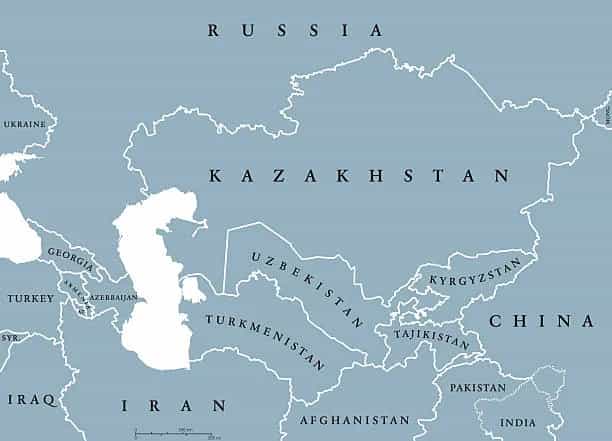
Alongside multilateral formats, Turkmenistan is actively developing bilateral ties with CIS countries. With Russia, this is within the framework of a deepened strategic partnership encompassing industry, energy, the North-South transport corridor, and regional cooperation with federal subjects. With Azerbaijan, this involves energy and transit routes. The two sides aim to increase trade turnover with Kazakhstan to over 1 billion USD. In March 2026, the next meeting of the Turkmen-Tajik intergovernmental commission was held in Dushanbe, and a free trade regime has been in effect with Uzbekistan since February 2025, reinforced by a border trade zone and the Turkmenistan–Uzbekistan Business Council.
The meeting of the Council of Heads of Government on May 22 will be an important practical outcome of this work, consolidating the agreements reached in specific intergovernmental decisions.