Login
Login





Florida-based Freedom Cruise Line International, in collaboration with architectural firm Schopfer Associates LLC, unveiled an updated concept for the Freedom Ship—a floating city over a mile long, designed to accommodate 50 thousand people permanently. Including crew and temporary guests, up to 80 thousand people will be able to board at any one time.
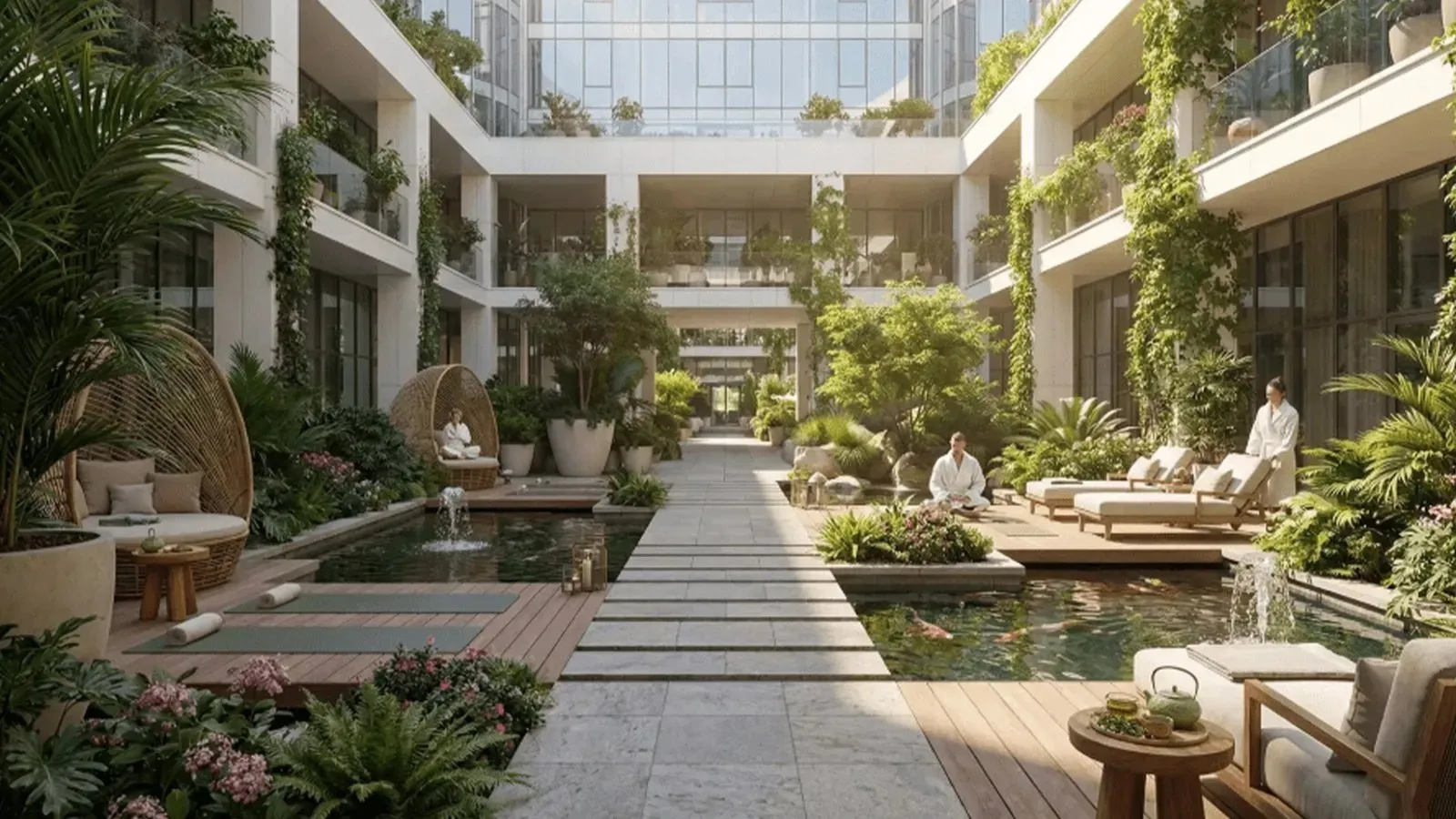
According to the company's official press release, the architectural firm Schopfer Associates, led by Kevin Schopfer, will design complete urban neighborhoods, public spaces, and a unified visual concept for the vessel. The vessel will house residential apartments, hospitals, schools, restaurants, hotels, casinos, offices, sports facilities, and parks—everything necessary for a vibrant urban lifestyle.
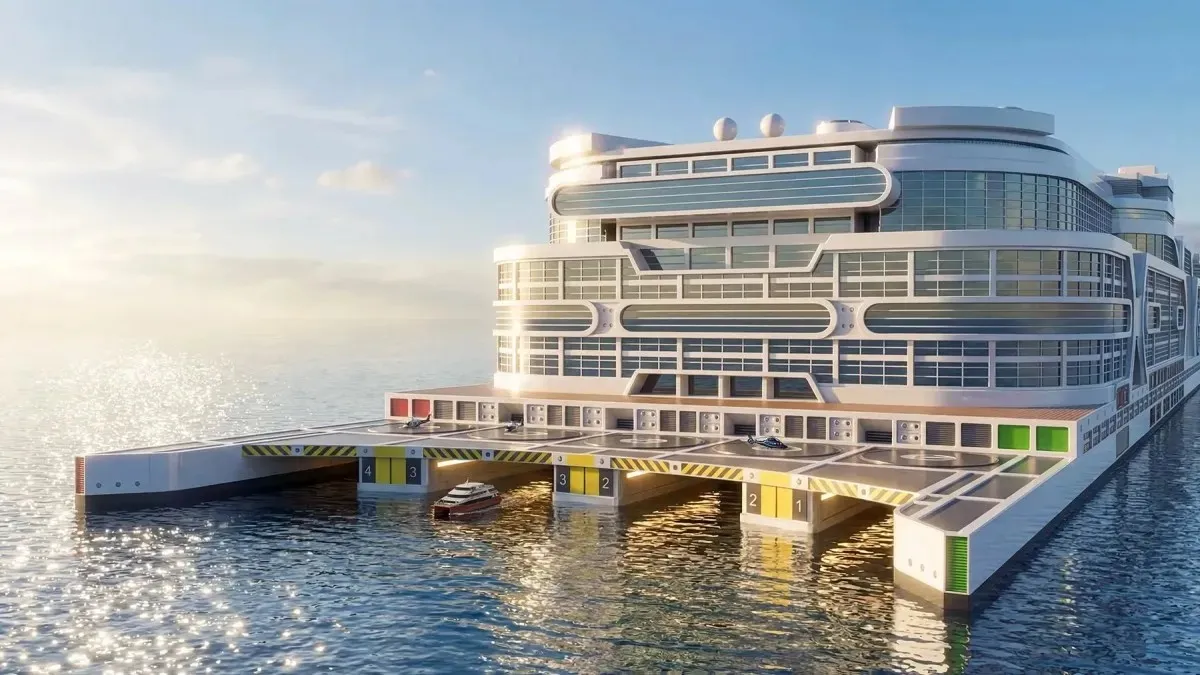
The vessel will displace approximately 2,3 million tons, reach 30 decks, and cost an estimated 12 billion pounds sterling to build. Due to its enormous size, the Freedom Ship will be unable to dock at regular ports; passengers and residents will be transported ashore on support vessels.
Construction will take just over three years, with funding planned through the sale of residential apartments and the lease of commercial space. The construction site has already been selected—in Indonesia—but raising capital remains a key requirement for implementation.
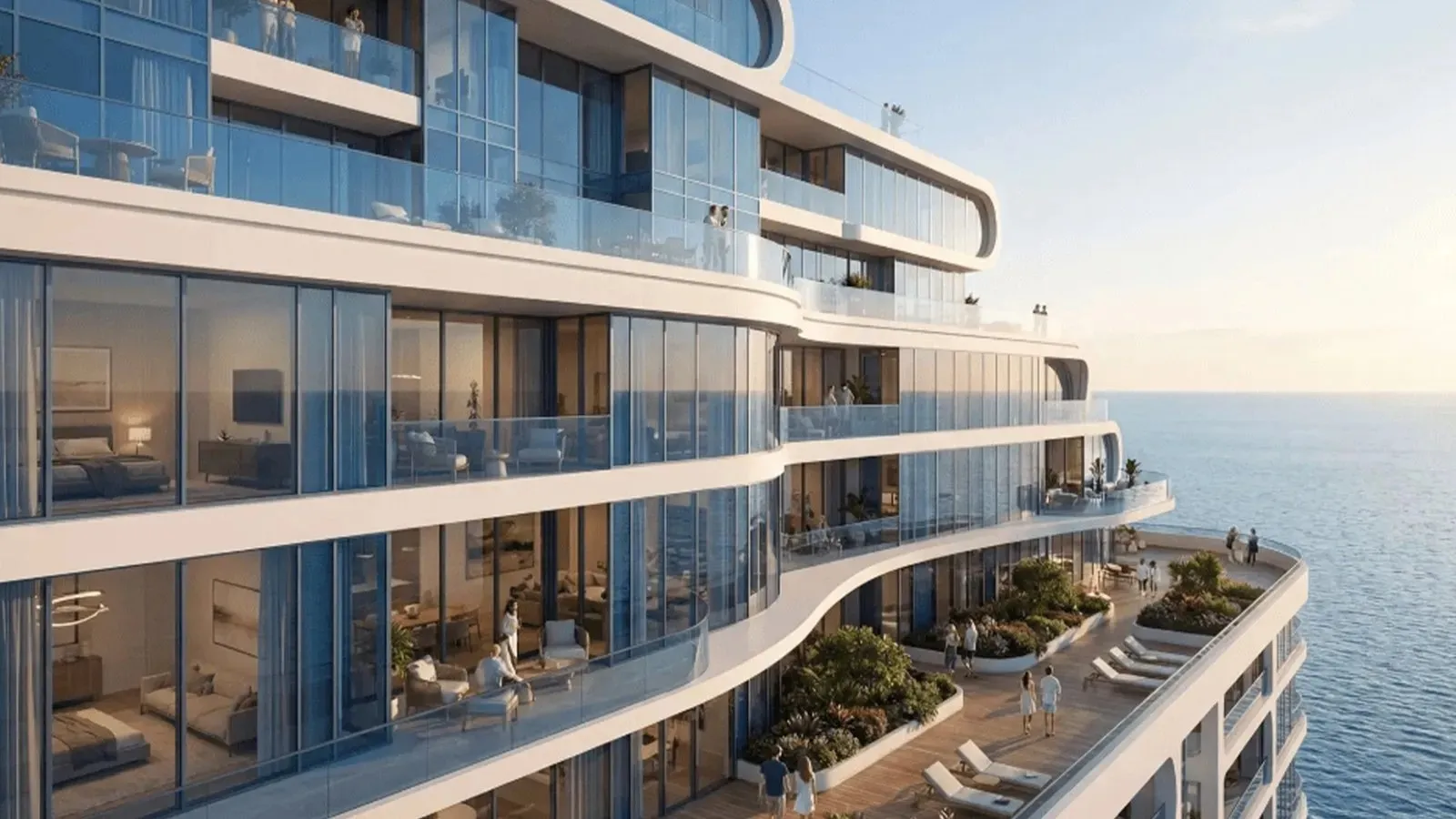
The idea of a floating metropolis isn't new: the Freedom Ship concept first appeared in the 1990s and hasn't moved beyond the drawing board. Nevertheless, the project's creators are optimistic. Roger Gooch, the company's CEO, stated that interest in the project is so high that "one could justify building three ships at once."
A key feature of the Freedom Ship is its permanent presence in international waters, which deliberately places it outside national jurisdictions. According to its creators, this will make the vessel attractive to researchers and entrepreneurs who prefer to operate outside standard regulatory frameworks.